Meal Preparation at Home: More Than Just Food
Discover how meal preparation at home supports nutrition, independence, and safety. Learn how everyday living support improves wellbeing and prevents risk.
When people think about meal preparation support at home, they often picture someone cooking a simple lunch or reheating dinner. But in reality, meal preparation is about much more than food. It’s about nutrition. It’s about safety. It’s about independence. It’s about dignity and quality of life.
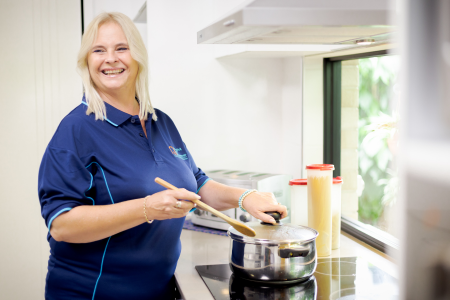
For older Australians and people living with disability or chronic health conditions, the ability to enjoy nourishing, familiar meals at home plays a significant role in overall wellbeing.
Why Nutrition Matters More Than Ever
As people age or manage complex health needs, nutritional requirements often change. Appetite can decrease. Energy levels fluctuate. Swallowing difficulties, diabetes, heart conditions, or medication side effects may influence dietary needs.
Without the right support, small issues can quickly become larger concerns:
- Unintentional weight loss
- Fatigue
- Increased falls risk
- Poor wound healing
- Hospital readmissions
Meal preparation support can help prevent these outcomes before they escalate.
Supporting Independence in the Kitchen
For many people, the kitchen is deeply personal. It’s where traditions are kept alive, favourite recipes are remembered, and daily routines feel familiar. Meal preparation support doesn’t mean taking over.
It can mean:
- Assisting with grocery planning
- Preparing ingredients together
- Encouraging safe cooking practices
- Supporting clients to remain involved in their own meals
- Adapting tasks to suit changing ability
The goal is not to remove independence, but rather to preserve it.
Safety and Confidence at Home
Cooking involves multiple steps and potential hazards: sharp utensils, hot surfaces, heavy pots, and standing for extended periods.
Our team can support:
- Safe food handling
- Kitchen organisation
- Managing fatigue while cooking
- Identifying equipment that may reduce strain
- Preventing slips or burns
Small environmental adjustments can make everyday tasks safer and more manageable.
Social Connection Around Food
Meals are rarely just about nutrition.
They’re about:
- Sharing stories
- Maintaining cultural traditions
- Enjoying familiar flavours
- Feeling cared for
For some clients, meal preparation visits are also valuable social interactions. They reduce isolation while encouraging routine and engagement.
Flexible Support That Adapts
Meal preparation support may include:
- Cooking full meals
- Batch cooking for the week
- Preparing snacks
- Supporting therapeutic diets
- Working alongside dietitians or nurses
- Assisting with grocery shopping
Support can be tailored to suit the person’s goals, health needs and funding arrangements. As needs change, support can change too.
For Community Partners and Referrers
For GPs, discharge planners, allied health professionals and community organisations, meal preparation support can play a preventative role in ongoing care.
It can help:
- Reduce malnutrition risk
- Support chronic disease management
- Maintain functional independence
- Reduce avoidable hospital presentations
- Support safe discharge home
When integrated into a broader care plan, everyday living support becomes a stabilising factor in long-term wellbeing.
More Than a Task
Meal preparation is not simply about completing a chore.
It’s about:
- Preserving routine
- Maintaining identity
- Supporting health outcomes
- Encouraging independence
- Creating moments of connection
Because staying well at home is often built on small, consistent supports.
Want to Learn More?
If you’d like to understand how meal preparation and everyday living support can be tailored to your clients’ needs, our team is here to help.
Book a consultation with your local office to explore support options.
Right at Home Australia is a leading provider of quality in-home care. Our mission is to improve the quality of life for those we serve, ensuring the Right Care, Right at Home™. We support people living with complex and post-operative care needs, dementia and cognitive decline, seniors, and adults living with a disability, including NDIS participants. Our tailored services help clients to remain safe and independent in their homes. We are an Approved Provider under the Aged Care Act, meaning we can provide quality support at home under a government-funded home care package. We also offer private pay arrangements for those who do not have government funding or who wish to pay privately for top-up care. Right at Home is all about you. We are available 24/7, so contact your local office today. You can also call our national number on 1300 363 802.
Right at Home Offices in Australia: ACT & Queanbeyan; ACT Canberra; Adelaide Central; Brisbane Bayside; Brisbane North; Brisbane South; Brisbane West; Central Queensland & Wide Bay; Central West New South Wales; Darling Downs; Far North Queensland; Geelong; Gold Coast North; Gold Coast South; Goldfields Grampians Murray; Gosford; Greater Logan; Hunter & Port Stephens; Ipswich Lockyer Valley; Kalgoorlie Wheatbelt; Macarthur Penrith; Mackay; Melbourne Berwick; Melbourne Brighton; Melbourne Frankston; Melbourne Glen Waverley; Melbourne North; Moreton Bay Region; Newcastle; Newcastle Toronto; Noosa, Gympie & Hinterland; North Queensland; Northern Rivers; Northern Territory; Perth Midland; Perth Northern Suburbs; Perth South; Perth South Eastern Suburbs; Perth West Coast; South West WA; Southern NSW; Southwest Victoria; Sunshine Coast; Sydney Central & Eastern Suburbs; Sydney Five Dock; Sydney Inner West; Sydney Liverpool; Sydney Lower North Shore; Sydney Northern Beaches; Sydney Norwest; Sydney Parramatta; Sydney Randwick; Sydney Ryde; Sydney St George; Sydney Sutherland Shire; Sydney The Hills; Sydney Upper North Shore; Western NSW

Our Locations
Queensland
New South Wales
Western Australia
Victoria
Australian Capital Territory
South Australia
Northern Territory
Our Locations
Brisbane Bayside South
Brisbane North
Brisbane South
Brisbane West
Central Queensland & Wide Bay
Darling Downs
Far North Queensland
Gold Coast North
Gold Coast South
Greater Logan
Ipswich Lockyer Valley
Mackay
Moreton Bay Region
Noosa, Gympie & Hinterland
North Queensland
Sunshine, Caloundra & Maleny
Sunshine, Maroochy & Nambour
Central West New South Wales
Gosford
Hunter & Port Stephens
Macarthur Penrith
Newcastle
Newcastle Toronto
Northern Rivers
Southern NSW
Sydney Central & Eastern Suburbs
Sydney Beverly Hills
Sydney Five Dock
Sydney Inner West
Sydney Liverpool
Sydney Lower North Shore
Sydney Norwest
Sydney Northern Beaches
Sydney Parramatta
Sydney Randwick
Sydney Ryde
Sydney St George
Sydney Sutherland Shire
Sydney The Hills
Sydney Upper North Shore
Western NSW
Home Care Information
My Aged Care Resources






© Copyright 2026 Homecare Group Pty Ltd ABN 31 166 722 658 ALL RIGHTS RESERVED
Right at Home, Level 1, 12 Cribb Street, Milton, Brisbane QLD, Australia 4064