Not Sure Who to See? A Simple Guide to Allied Health at Home
Not sure which Allied Health professional you need? Learn how Allied Health works at home under Support at Home and how a Care Partner helps coordinate your support.
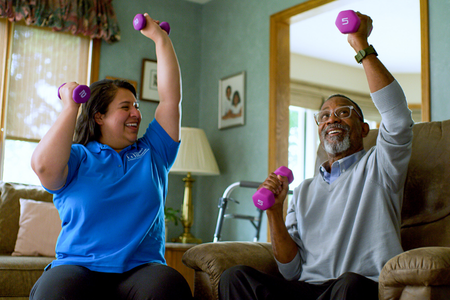
When support at home starts to feel more complex, one of the most common questions people ask is: “Who am I supposed to see for this?” Physio, Occupational Therapy, Podiatry, Speech Pathology, Dietetics — under the new Support at Home program, Allied Health plays a bigger role in helping people stay independent, but the options can feel overwhelming at first. The reassuring news is this: you don’t need to work it all out on your own. Understanding what Allied Health is, and how the right support is coordinated, can make the process feel far simpler.
What is Allied Health?
Allied Health refers to a group of qualified health professionals who support people to improve, maintain or regain their ability to manage everyday life. Under Support at Home, Allied Health is closely linked to reablement — a goal-focused approach that helps people regain confidence, function and independence, rather than simply receiving ongoing assistance. Instead of asking, “What services do I need?”, Allied Health starts with a more important question: “What do I want to get back to doing?”
If you’d like a deeper explanation of how reablement works and when it’s used, you can read our dedicated blog on reablement here.
Who Helps With What? A Simple Breakdown
Here’s a plain-English guide to the most common Allied Health professionals you may encounter at home.
Physiotherapist (Physio)
Physiotherapists focus on movement, strength and mobility.
You may benefit from a Physio if you:
- Have had a fall or feel unsteady
- Are recovering after hospital or surgery
- Want to improve balance, walking or strength
- Feel less confident moving around your home
Physios support safe movement and help reduce the risk of future falls.
Occupational Therapist (OT)
Occupational Therapists focus on everyday activities and safety.
You may benefit from an OT if you:
- Find showering, dressing or cooking harder than before
- Need advice on equipment or home modifications
- Want to stay independent at home for longer
- Feel unsafe doing daily tasks
OTs look at how you live day-to-day and help make everyday tasks easier and safer.
Podiatrist
Podiatrists specialise in foot health and mobility.
You may benefit from a Podiatrist if you:
- Have foot pain or balance concerns
- Need help with nail or skin care
- Have diabetes or circulation issues
- Feel unsure on your feet
Healthy feet play a key role in confidence and mobility at home.
Speech Pathologist
Speech Pathologists support communication and swallowing.
You may benefit from a Speech Pathologist if you:
- Have difficulty swallowing food or drinks
- Experience changes in speech or communication
- Are living with a neurological condition or recovering from a stroke
This support can improve safety, confidence and quality of life.
Dietitian
Dietitians focus on nutrition, energy and overall wellbeing.
You may benefit from a Dietitian if you:
- Have lost weight unintentionally
- Feel low in energy
- Are managing chronic health conditions
- Need support with special dietary needs
Good nutrition supports strength, recovery and independence.
Do I Need to Choose Who I See?
No, and this is an important part of how Support at Home works. You don’t need to diagnose yourself or decide which Allied Health professional to see. The right support is usually identified through an assessment that looks at your goals, health and everyday life. Allied Health works best when it is coordinated, flexible and reviewed as your needs change.
How Your Care Partner Helps
Under Support at Home, you’ll be supported by a Care Partner — your main point of contact who helps coordinate your care.
Your Care Partner works with you to:
- Understand what matters most to you
- Help arrange the right Allied Health professionals
- Coordinate services so everyone is working toward the same goals
- Review and adjust your support as your needs change
This means you don’t have to navigate Allied Health services alone. Your Care Partner helps guide the process and ensures your support makes sense for your situation.
How Allied Health Works at Home
Home-based Allied Health means support happens in the place that matters most — your home.
This allows Allied Health professionals to:
- See real-life challenges, not just clinic-based ones
- Tailor advice to your environment
- Focus on practical, everyday goals
- Adjust support as your abilities change
It also allows Allied Health to work closely with nursing and care support, creating a coordinated, whole-of-care approach.
Why This Matters Under Support at Home
Support at Home places a strong emphasis on:
- Early intervention
- Goal-based care
- Reablement and maintenance care
Allied Health plays a central role in helping people maintain ability, regain confidence, and live well at home, rather than simply coping with change. Understanding who does what — and knowing you have support to coordinate it — makes engaging with care far less daunting. If you’d like to know more about reablement vs maintance, you can read our dedicated blog here.
The Takeaway
If you’re unsure who to see, you’re not behind — you’re exactly where many people start. Allied Health is about working together to support what matters most to you, whether that’s moving safely, staying independent, or feeling confident in everyday life. You don’t need to know all the answers. With the right Allied Health support and a Care Partner guiding the way, you don’t have to figure it out alone. In our next article, we’ll take a closer look at the role of a Care Partner and how they support you throughout your care journey under Support at Home.
Learn More About Allied Health
To learn more about Allied Health services at home and how they support reablement under Support at Home, speak with your local Right at Home team or explore our Allied Health resources.
Right at Home Australia is a leading provider of quality in-home care. Our mission is to improve the quality of life for those we serve, ensuring the Right Care, Right at Home™. We support people living with complex and post-operative care needs, dementia and cognitive decline, seniors, and adults living with a disability, including NDIS participants. Our tailored services help clients to remain safe and independent in their homes. We are an Approved Provider under the Aged Care Act, meaning we can provide quality support at home under a government-funded home care package. We also offer private pay arrangements for those who do not have government funding or who wish to pay privately for top-up care. Right at Home is all about you. We are available 24/7, so contact your local office today. You can also call our national number on 1300 363 802.
Right at Home Offices in Australia: ACT & Queanbeyan; ACT Canberra; Adelaide Central; Brisbane Bayside; Brisbane North; Brisbane South; Brisbane West; Central Queensland & Wide Bay; Central West New South Wales; Darling Downs; Far North Queensland; Geelong; Gold Coast North; Gold Coast South; Goldfields Grampians Murray; Gosford; Greater Logan; Hunter & Port Stephens; Ipswich Lockyer Valley; Kalgoorlie Wheatbelt; Macarthur Penrith; Mackay; Melbourne Berwick; Melbourne Brighton; Melbourne Frankston; Melbourne Glen Waverley; Melbourne North; Moreton Bay Region; Newcastle; Newcastle Toronto; Noosa, Gympie & Hinterland; North Queensland; Northern Rivers; Northern Territory; Perth Midland; Perth Northern Suburbs; Perth South; Perth South Eastern Suburbs; Perth West Coast; South West WA; Southern NSW; Southwest Victoria; Sunshine Coast; Sydney Central & Eastern Suburbs; Sydney Five Dock; Sydney Inner West; Sydney Liverpool; Sydney Lower North Shore; Sydney Northern Beaches; Sydney Norwest; Sydney Parramatta; Sydney Randwick; Sydney Ryde; Sydney St George; Sydney Sutherland Shire; Sydney The Hills; Sydney Upper North Shore; Western NSW

Our Locations
Queensland
New South Wales
Western Australia
Victoria
Australian Capital Territory
South Australia
Northern Territory
Our Locations
Brisbane Bayside South
Brisbane North
Brisbane South
Brisbane West
Central Queensland & Wide Bay
Darling Downs
Far North Queensland
Gold Coast North
Gold Coast South
Greater Logan
Ipswich Lockyer Valley
Mackay
Moreton Bay Region
Noosa, Gympie & Hinterland
North Queensland
Sunshine, Caloundra & Maleny
Sunshine, Maroochy & Nambour
Central West New South Wales
Gosford
Hunter & Port Stephens
Macarthur Penrith
Newcastle
Newcastle Toronto
Northern Rivers
Southern NSW
Sydney Central & Eastern Suburbs
Sydney Beverly Hills
Sydney Five Dock
Sydney Inner West
Sydney Liverpool
Sydney Lower North Shore
Sydney Norwest
Sydney Northern Beaches
Sydney Parramatta
Sydney Randwick
Sydney Ryde
Sydney St George
Sydney Sutherland Shire
Sydney The Hills
Sydney Upper North Shore
Western NSW
Home Care Information
My Aged Care Resources






© Copyright 2026 Homecare Group Pty Ltd ABN 31 166 722 658 ALL RIGHTS RESERVED
Right at Home, Level 1, 12 Cribb Street, Milton, Brisbane QLD, Australia 4064