That Quiet Question: Do They Need More Support at Home?
Noticing small changes in a loved one can raise quiet questions. Explore when support at home might help and download our caregiver worksheet.
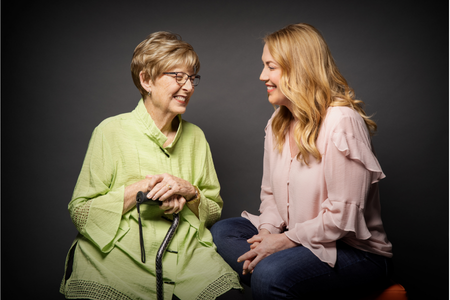
For many family members and carers, this question appears long before there’s a crisis. And just as often, it’s followed by uncertainty, doubt, and the feeling that you might be overthinking things.
When “They’re Fine” Starts to Feel Less Certain
Your parent or loved one may still be managing, just differently.
Maybe they’re:
-
Taking longer to get ready
-
Avoiding certain activities
-
Forgetting small things
-
Sounding more tired or overwhelmed
-
Relying on you a little more than they used to
Individually, these changes can seem minor. Together, they can spark that quiet question you don’t quite know what to do with yet.
Why This Question Is Hard to Ask Out Loud
For many families, raising the idea of support can feel uncomfortable.
You might worry about:
-
Taking away independence
-
Offending or upsetting them
-
Making things “too serious” too soon
-
Not knowing what help even looks like
It’s common to tell yourself, “We’ll deal with it later” — until later suddenly arrives.
Support Isn’t all or Nothing
One of the biggest misconceptions about support at home is that it’s a big, irreversible step.
In reality, support can be:
-
Short-term or occasional
-
Focused on one or two practical tasks
-
Adjusted over time as needs change
Thinking about support early doesn’t mean committing to anything. It simply gives you information and options.
A Practical Way to Think Things Through
If you’re not ready for a big conversation — or you’re not even sure what questions to ask — having something structured can help.
That’s why we’ve created a Needs Assessment Worksheet for Adult Caregivers.
It’s designed to help you:
-
Reflect on daily routines and changes
-
Consider safety, wellbeing and independence
-
Identify areas where extra support might help
-
Organise your thoughts before speaking with your loved one or a professional
You can complete it privately, at your own pace, with no obligation to take the next step.
You’re Not Overreacting, You’re Paying Attention
Noticing change doesn’t mean something is “wrong”. It means you care enough to pay attention. Many families tell us they wish they’d started these conversations earlier — not because things were urgent, but because it made later decisions feel calmer and more informed.
When You’re Ready, Support is There
Whether you’re just thinking things through or ready to talk about next steps, you don’t have to navigate it alone. Starting with reflection is often the most respectful place to begin — for you and for the person you care about.
Take the first gentle step
Download the Needs Assessment Worksheet for Adult Caregivers to help you think through whether more support at home might be helpful.
Right at Home Australia is a leading provider of quality in-home care. Our mission is to improve the quality of life for those we serve, ensuring the Right Care, Right at Home™. We support people living with complex and post-operative care needs, dementia and cognitive decline, seniors, and adults living with a disability, including NDIS participants. Our tailored services help clients to remain safe and independent in their homes. We are an Approved Provider under the Aged Care Act, meaning we can provide quality support at home under a government-funded home care package. We also offer private pay arrangements for those who do not have government funding or who wish to pay privately for top-up care. Right at Home is all about you. We are available 24/7, so contact your local office today. You can also call our national number on 1300 363 802.
Right at Home Offices in Australia: ACT & Queanbeyan; ACT Canberra; Adelaide Central; Brisbane Bayside; Brisbane North; Brisbane South; Brisbane West; Central Queensland & Wide Bay; Central West New South Wales; Darling Downs; Far North Queensland; Geelong; Gold Coast North; Gold Coast South; Goldfields Grampians Murray; Gosford; Greater Logan; Hunter & Port Stephens; Ipswich Lockyer Valley; Kalgoorlie Wheatbelt; Macarthur Penrith; Mackay; Melbourne Berwick; Melbourne Brighton; Melbourne Frankston; Melbourne Glen Waverley; Melbourne North; Moreton Bay Region; Newcastle; Newcastle Toronto; Noosa, Gympie & Hinterland; North Queensland; Northern Rivers; Northern Territory; Perth Midland; Perth Northern Suburbs; Perth South; Perth South Eastern Suburbs; Perth West Coast; South West WA; Southern NSW; Southwest Victoria; Sunshine Coast; Sydney Central & Eastern Suburbs; Sydney Five Dock; Sydney Inner West; Sydney Liverpool; Sydney Lower North Shore; Sydney Northern Beaches; Sydney Norwest; Sydney Parramatta; Sydney Randwick; Sydney Ryde; Sydney St George; Sydney Sutherland Shire; Sydney The Hills; Sydney Upper North Shore; Western NSW

Our Locations
Queensland
New South Wales
Western Australia
Victoria
Australian Capital Territory
South Australia
Northern Territory
Our Locations
Brisbane Bayside South
Brisbane North
Brisbane South
Brisbane West
Central Queensland & Wide Bay
Darling Downs
Far North Queensland
Gold Coast North
Gold Coast South
Greater Logan
Ipswich Lockyer Valley
Mackay
Moreton Bay Region
Noosa, Gympie & Hinterland
North Queensland
Sunshine, Caloundra & Maleny
Sunshine, Maroochy & Nambour
Central West New South Wales
Gosford
Hunter & Port Stephens
Macarthur Penrith
Newcastle
Newcastle Toronto
Northern Rivers
Southern NSW
Sydney Central & Eastern Suburbs
Sydney Beverly Hills
Sydney Five Dock
Sydney Inner West
Sydney Liverpool
Sydney Lower North Shore
Sydney Norwest
Sydney Northern Beaches
Sydney Parramatta
Sydney Randwick
Sydney Ryde
Sydney St George
Sydney Sutherland Shire
Sydney The Hills
Sydney Upper North Shore
Western NSW
Home Care Information
My Aged Care Resources






© Copyright 2026 Homecare Group Pty Ltd ABN 31 166 722 658 ALL RIGHTS RESERVED
Right at Home, Level 1, 12 Cribb Street, Milton, Brisbane QLD, Australia 4064