Are You at Risk for Cataracts?
Cataracts are common with age. Learn the risk factors, early signs, and simple ways to protect your vision and maintain independence.
As we age, changes in vision become more common, and cataracts are among the leading causes of vision problems in older adults. Because cataracts usually develop gradually, many people may not notice the early signs until everyday activities such as reading, driving, or recognising faces become more difficult.
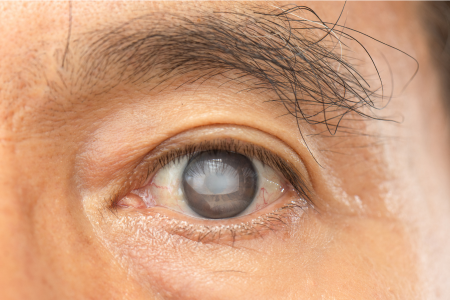
What are Cataracts?
A cataract occurs when the natural lens inside the eye (which sits behind the pupil) becomes cloudy. Normally, this lens helps focus light clearly so you can see sharp images. Over time, proteins in the lens can break down and clump together, causing blurred or hazy vision. People with cataracts may notice:
- Blurry, cloudy or dim vision
- Increased sensitivity to light or glare
- Colours appearing faded or yellow
- Difficulty driving after dark
- Halos around lights, especially at night
Cataracts usually develop slowly over many years and can affect one or both eyes. While surgery is highly effective when cataracts significantly affect vision, early detection and healthy lifestyle habits may help slow their progression.
Who Is Most at Risk?
Although cataracts are very common with ageing, some people are at higher risk than others. Risk factors include:
- Age. Ageing is the biggest risk factor. Cataracts become increasingly common after the age of 50, and most older Australians will experience some degree of cataract development over time.
- Sun exposure. Long-term exposure to ultraviolet (UV) radiation from sunlight can damage the lens of the eye. People who spend significant time outdoors may be at greater risk.
- Smoking. Smoking increases oxidative stress in the body, which can damage the eye’s lens and accelerate cataract formation.
- Diabetes. High blood sugar levels can contribute to changes in the lens and increase the risk of cataracts developing earlier.
- Long-time corticosteroid use. Extended use of steroid medications, including inhalers and tablets, may increase cataract risk.
- Previous eye injury or surgery. Trauma to the eye can lead to cataracts, sometimes many years later.
- Family history. Genetics may also play a role, meaning cataracts can run in families.
How To Help Protect Your Eye Health
While cataracts cannot always be prevented, there are practical steps you can take to support long-term eye health and potentially reduce your risk.
- Protect Your Eyes from UV Exposure. Wear sunglasses that provide100% UV protection whenever you are outdoors. A wide-brimmed hat can also help reduce UV exposure to the eyes.
- Don’t Smoke. Stopping smoking benefits your overall health, including your vision.
- Manage Chronic Health Conditions. If you live with diabetes, or blood pressure, regular monitoring and good management are important for protecting your eyes and general wellbeing.
- Eat a Healthy Diet. Foods rich in antioxidants may help support eye health. Include plenty of leafy green vegetables, colourful fruits and vegetables, eggs, nuts, and wholefoods in your diet.
- Limit Alcohol Intake. Heavy alcohol consumption has been linked with higher cataract risk and other health conditions.
- Have Regular Eye Checks. Routine eye examinations are important, especially as you get older. Cataracts and other eye conditions often develop gradually and may not cause noticeable symptoms early on. Regular eye checks can help identify changes before they significantly affect your daily life.
Supporting Independence at Home
Changes in vision can affect confidence, mobility, and safety at home. If you or a loved one are finding daily activities more challenging due to vision changes, support is available.
Our Care Team can assist with transport to doctor or eye specialist appointments, help around the home, and practical day-to-day support to help you or your loved one remain safe, independent, and connected to your community.
To learn more, book a free in-home consultation with our team today.
Right at Home Australia is a leading provider of quality in-home care. Our mission is to improve the quality of life for those we serve, ensuring the Right Care, Right at Home™. We are an Approved Provider under the Aged Care Act, providing quality government-funded Support at Home. Our services ranges from everyday assistance such as domestic help, personal care, companionship and transport, through to nursing, allied health, post-operative care, and support for people living with dementia and cognitive decline. Our tailored services help clients to remain safe and independent in their homes. We also offer private pay arrangements for those who do not have government funding or who wish to pay privately for top-up care. Right at Home is all about you. We are available 24/7, so contact your local office today. You can also call our national number on 1300 363 802.
This information is general in nature and does not constitute medical, legal or financial advice. Please seek appropriate professional advice for your individual circumstances. Services are subject to availability and individual eligibility, including applicable funding criteria. Any examples or case studies are illustrative only. Individual experiences and outcomes may vary. Services are delivered by independently owned and operated franchisees under a franchise agreement with Homecare Group Pty Ltd. Experiences may vary by location. To the extent permitted by law, we exclude liability for reliance on this information. Nothing in this material excludes or limits your rights under Australian Consumer Law.
Right at Home Offices in Australia: ACT & Queanbeyan; ACT Canberra; Adelaide Central; Brisbane Bayside South; Brisbane North; Brisbane South; Brisbane West; Central Queensland & Wide Bay; Central West New South Wales; Darling Downs; Far North Queensland; Geelong; Gold Coast North; Gold Coast South; Goldfields Grampians Murray; Gosford; Greater Logan; Hunter & Port Stephens; Ipswich Lockyer Valley; Kalgoorlie Wheatbelt; Macarthur Penrith; Mackay; Melbourne Berwick; Melbourne Brighton; Melbourne Frankston; Melbourne Glen Waverley; Melbourne North; Moreton Bay Region; Newcastle; Newcastle Toronto; Noosa, Gympie & Hinterland; North Queensland; Northern Rivers; Northern Territory; Perth Midland; Perth Northern Suburbs; Perth South; Perth South Eastern Suburbs; Perth West Coast; South West WA; Southern NSW; Southwest Victoria; Sunshine Coast; Sydney Central & Eastern Suburbs; Sydney Five Dock; Sydney Inner West; Sydney Liverpool; Sydney Lower North Shore; Sydney Northern Beaches; Sydney Norwest; Sydney Parramatta; Sydney Randwick; Sydney Ryde; Sydney St George; Sydney Sutherland Shire; Sydney The Hills; Sydney Upper North Shore; Western NSW

Our Locations
Queensland
New South Wales
Western Australia
Victoria
Australian Capital Territory
South Australia
Northern Territory
Our Locations
Brisbane Bayside South
Brisbane North
Brisbane South
Brisbane West
Central Queensland & Wide Bay
Darling Downs
Far North Queensland
Gold Coast North
Gold Coast South
Greater Logan
Ipswich Lockyer Valley
Mackay
Moreton Bay Region
Noosa, Gympie & Hinterland
North Queensland
Sunshine, Caloundra & Maleny
Sunshine, Maroochy & Nambour
Central West New South Wales
Gosford
Hunter & Port Stephens
Macarthur Penrith
Newcastle
Newcastle Toronto
Northern Rivers
Southern NSW
Sydney Central & Eastern Suburbs
Sydney Beverly Hills
Sydney Five Dock
Sydney Inner West
Sydney Liverpool
Sydney Lower North Shore
Sydney Norwest
Sydney Northern Beaches
Sydney Parramatta
Sydney Randwick
Sydney Ryde
Sydney St George
Sydney Sutherland Shire
Sydney The Hills
Sydney Upper North Shore
Western NSW
Home Care Information
My Aged Care Resources






© Copyright 2026 Homecare Group Pty Ltd ABN 31 166 722 658 ALL RIGHTS RESERVED
Right at Home, Level 1, 12 Cribb Street, Milton, Brisbane QLD, Australia 4064