Participation Matters: Celebrating the Impact of Occupational Therapy
Every year, World Occupational Therapy Day (27 October) spotlights the contribution occupational therapists make to people's lives across the globe. Led by the World Federation of Occupational Therapists (WFOT), which represents 117 national occupational therapy organisations worldwide, the day provides an opportunity to raise awareness of the profession and celebrate its role in helping people participate more fully in everyday life.
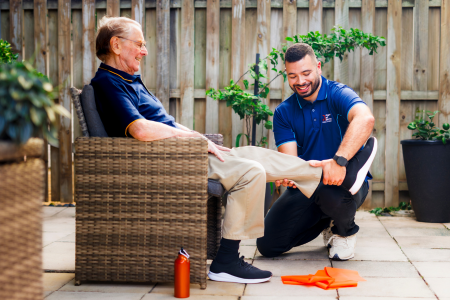
This year's theme, Participation Matters, captures the very heart of occupational therapy. Whether it's supporting an older person to remain independent at home, helping someone recover after illness or injury, or enabling people to continue engaging in the activities that bring meaning and purpose to their lives, occupational therapists focus on what matters most to the individual.
At Right at Home, occupational therapy (OT) is a vital part of our growing allied health offering. In FY2026, allied health services continued to demonstrate strong demand, reflecting the increasing need for specialist services that support independence, wellbeing, and quality of life. OT was one of our strongest-performing disciplines and a significant contributor to outcomes that help clients maintain independence at home.
The FY2026 results highlight both the scale and importance of allied health services across the network. Approximately 77.6% of allied health activity was delivered through external providers, while 22.4% was delivered by internal clinicians. Internal teams delivered 16,798 hours of service, while external providers completed more than 45,800 services.
While physiotherapy remained the largest allied health discipline, occupational therapy and podiatry formed a significant secondary service stream. Together, these disciplines play a critical role in helping clients remain mobile, safe, independent, and engaged in their communities.
Supporting Independence Through the Support at Home Program
The growing importance of OT aligns closely with government’s new Support at Home program, which places a stronger focus on helping older Australians live independently and safely in their own homes for longer.
Occupational therapists play a key role across several important Support at Home classifications, particularly Assistive Technology and Home Modifications (AT-HM). Through comprehensive assessments, occupational therapists identify barriers to independence and recommend equipment, environmental modifications and practical solutions that support safer, more accessible living environments.
Occupational therapists also contribute significantly to Restorative Care, helping clients regain or maintain functional abilities following illness, injury or periods of decline. Their work extends beyond clinical interventions, focusing on meaningful outcomes that enable people to continue participating in everyday activities, maintain routines, and remain connected to their communities.
Whether recommending mobility aids, prescribing adaptive equipment, assessing a home for modifications, or supporting a client to return to activities they value, occupational therapists help older Australians achieve the core objective of Support at Home: maintaining independence, choice, and quality of life.
Participation Matters Every Day
Occupational therapy focuses on more than treating a condition or addressing a clinical need. Instead, occupational therapists help people continue doing the things that matter most to them.
Participation is a powerful contributor to physical health, mental wellbeing, and overall quality of life. By removing barriers and creating opportunities for engagement, occupational therapists empower people to live with greater confidence, dignity, and independence.
As we celebrate World Occupational Therapy Day, we acknowledge and thank the allied health professionals across our network and provider community for their dedication, expertise, and commitment to improving clients' lives.
Right at Home Australia is a leading provider of quality in-home care. Our mission is to improve the quality of life for those we serve ensuring the Right Care, Right at Home™. We support people living with complex and post-operative care needs, dementia and cognitive decline, older Australians, and adults living with a disability including NDIS participants. Our tailored services help clients to remain safe and independent in their homes. We are an Approved Provider under the Aged Care Act, meaning we can provide government-funded support at home. We also offer private care for those who do not have government funding or who wish to pay privately for top-up care. Right at Home is all about you. We are available 24/7 so contact your local office today. You can also call our national number on 1300 363 802.
This information is general in nature and does not constitute medical, legal, or financial advice. Please seek appropriate professional advice for your individual circumstances. Services are subject to availability and individual eligibility, including applicable funding criteria. Any examples or case studies are illustrative only. Individual experiences and outcomes may vary. Services are delivered by independently owned and operated franchisees under a franchise agreement with Homecare Group Pty Ltd. Experiences may vary by location. To the extent permitted by law, we exclude liability for reliance on this information. Nothing in this material excludes or limits your rights under Australian Consumer Law.
Right at Home Offices in Australia: ACT & Queanbeyan; ACT Canberra; Adelaide Central; Brisbane Bayside South; Brisbane North; Brisbane South; Brisbane West; Central Queensland & Wide Bay; Darling Downs; Far North Queensland; Geelong; Gold Coast North; Gold Coast South; Goldfields Grampians Murray; Gosford; Greater Logan; Hunter & Port Stephens; Ipswich Lockyer Valley; Kalgoorlie Wheatbelt; Macarthur Penrith; Mackay; Melbourne Berwick; Melbourne Brighton; Melbourne Frankston; Melbourne Glen Waverley; Melbourne North; Moreton Bay Region; Newcastle; Newcastle Toronto; Noosa, Gympie & Hinterland; North Queensland; Northern Rivers; Northern Territory; Perth Midland; Perth Northern Suburbs; Perth Rockingham & Armadale; Perth South; Perth South Eastern Suburbs; Perth West Coast; South West WA; Southern NSW; Southwest Victoria; Sunshine, Caloundra & Maleny; Sunshine, Maroochy & Nambour; Sydney Central & Eastern Suburbs; Sydney Five Dock; Sydney Inner West; Sydney Liverpool; Sydney Lower North Shore; Sydney Northern Beaches; Sydney Norwest; Sydney Parramatta; Sydney Randwick; Sydney Ryde; Sydney St George; Sydney Sutherland Shire; Sydney The Hills; Sydney Upper North Shore; Western NSW

Our Locations
Queensland
New South Wales
Western Australia
Victoria
Australian Capital Territory
South Australia
Northern Territory
Our Locations
Brisbane Bayside South
Brisbane North
Brisbane South
Brisbane West
Central Queensland & Wide Bay
Darling Downs
Far North Queensland
Gold Coast North
Gold Coast South
Greater Logan
Ipswich Lockyer Valley
Mackay
Moreton Bay Region
Noosa, Gympie & Hinterland
North Queensland
Sunshine, Caloundra & Maleny
Sunshine, Maroochy & Nambour
Central West New South Wales
Gosford
Hunter & Port Stephens
Macarthur Penrith
Newcastle
Newcastle Toronto
Northern Rivers
Southern NSW
Sydney Central & Eastern Suburbs
Sydney Beverly Hills
Sydney Five Dock
Sydney Inner West
Sydney Liverpool
Sydney Lower North Shore
Sydney Norwest
Sydney Northern Beaches
Sydney Parramatta
Sydney Randwick
Sydney Ryde
Sydney St George
Sydney Sutherland Shire
Sydney The Hills
Sydney Upper North Shore
Western NSW
Home Care Information
My Aged Care Resources






© Copyright 2026 Homecare Group Pty Ltd ABN 31 166 722 658 ALL RIGHTS RESERVED
Right at Home, Level 1, 12 Cribb Street, Milton, Brisbane QLD, Australia 4064