Meal Planning for Older Australians
Thoughtful meal planning is about much more than providing food. For older Australians receiving care at home, meals play an important role in health, independence, wellbeing and quality of life. Careful planning, creativity and flexibility are essential to ensure meals are not only nutritious, but also enjoyable and aligned with each person's preferences, culture and health needs.
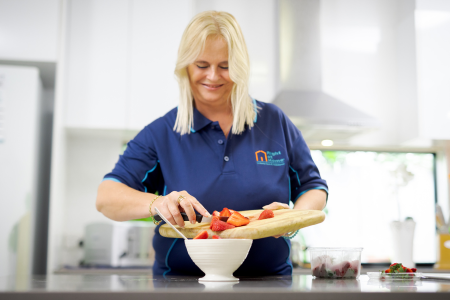
One of the greatest benefits of receiving care in the home is the opportunity to provide genuine person-centred support. Food is deeply personal and every individual has the right to be involved in decisions about what they eat, when they eat and how meals are prepared, wherever possible.
Good nutrition is closely linked to health, functional independence and quality of life. Studies also show that giving older people greater choice and involvement in food selection and planning can help reduce the risk of malnutrition while potentially improving meals and social engagement. This article provides general guidance on nutrition and practical considerations for planning healthy, enjoyable meals for older Australians receiving care at home.
Malnutrition in Home Care
Malnutrition remains a significant issue among older Australians receiving community-based care. It is estimated that approximately 15% of people receiving home care in Australia are malnourished, with many more considered at risk.
Older adults are known to be particularly vulnerable for many reasons, including:
- Reduced food intake due to social isolation or difficulty accessing food
- Reduced appetite or changes in taste and smell
- Difficulty chewing, swallowing or self-feeding
- Physical disability that limits shopping or meal preparation
- Dementia, depression, anxiety, grief or self-neglect
- Medical conditions that restrict certain foods or impair digestion
- Multiple medications that affect appetite or nutrient absorption
- An unsuitable or unpleasant mealtime environment
- Illness or infection that increases nutrient requirements
People living with disability or chronic illness may also face additional nutritional challenges, including:
- Loss of appetite, nausea, digestive disorders, reduced mobility, vomiting or diarrhoea caused by their chronic illness
- Increased energy needs following illness or surgery
- Consumption of medicines that affect their eating and digestion
- Impaired ability to mobilise themselves to shop and cook
Healthy Eating for Older Australians
Foods to Limit
A healthy eating pattern generally includes limiting foods that are high in saturated fat, added salt and added sugars. Examples include:
- Cakes, pastries, fried foods and potato chips
- Processed meats and takeaway foods
- Sugar-sweetened soft drinks, cordials and confectionary
- Foods with high levels of added salt
- Alcohol, which should be consumed in accordance with current Australian health recommendations
- Occasional treats can certainly be enjoyed, but they should not regularly replace nutrient-rich foods that provide the vitamins, minerals and protein needed to support healthy ageing.
Foods to Enjoy
A balanced diet should include a variety of foods, including:
- Plenty of vegetables, fruit, legumes and beans in a range of colours (green, orange, red, yellow, purple and white)
- Lean meats, poultry, fish, eggs, tofu, nuts and seeds
- Whole grain and high-fibre cereals and breads foods
- Milk, cheese and yoghurt or suitable alternatives that meet calcium needs
- Adequate fluids throughout the day to reduce the risk of dehydration
Healthy unsaturated fats such as olive oil, avocado, nuts and seeds are generally preferred over saturated fats like butter, cream and coconut oil. Fish is also encouraged as part of a healthy diet and may contribute to heart, brain and eye health. For recommended servings based on age and gender, see the National Health and Medical Research Council’s Australian Dietary Guidelines Summary. Individual dietary advice should always take precedence where a healthcare professional has recommended specific nutritional requirements or therapeutic diets.
Meal Planning
People often eat with their eyes first, making the appearance of meals an important consideration. Colour, texture, flavour, aroma and variety all contribute to making meals more enjoyable and encouraging adequate food intake. Although rotating meal options can simplify planning, variety remains important for both nutritional adequacy and enjoyment. Offering choices wherever possible helps maintain independence and encourages people to remain engaged in decisions about their daily lives.
Meal Planning Considerations
Every older person has unique nutritional requirements. Effective meal planning should always consider the person’s individual goals, preferences and clinical needs, including:
- Medical conditions and nutritional requirements
- Food allergies and intolerances
- Vegetarian, vegan or other dietary choices
- Chewing and swallowing abilities
- Cultural preferences and traditions
- Religious food practices
- Cognitive impairment or mental health conditions
- Personal likes, dislikes and preferred mealtimes
- Medicines that may affect appetite or nutrition
- Increased nutritional needs associated with illness, injury or unintended weight loss
- Healthy weight management where clinically appropriate
Working collaboratively with clients, their family, carers and healthcare professionals helps ensure meals remain safe, nutritious and meaningful. By placing choice, dignity and person-centred care at the heart of meal planning, home care providers can support not only better nutrition, but also greater independence, wellbeing and enjoyment of everyday life.
This article is based on Meal Planning in Home Care by Ausmed and is republished with permission.
Right at Home Australia is a leading provider of quality in-home care. Our mission is to improve the quality of life for those we serve ensuring the Right Care, Right at Home™. We support people living with complex and post-operative care needs, dementia and cognitive decline, older Australians, and adults living with a disability including NDIS participants. Our tailored services help clients to remain safe and independent in their homes. We are an Approved Provider under the Aged Care Act, meaning we can provide government-funded support at home. We also offer private care for those who do not have government funding or who wish to pay privately for top-up care. Right at Home is all about you. We are available 24/7 so contact your local office today. You can also call our national number on 1300 363 802.
This information is general in nature and does not constitute medical, legal, or financial advice. Please seek appropriate professional advice for your individual circumstances. Services are subject to availability and individual eligibility, including applicable funding criteria. Any examples or case studies are illustrative only. Individual experiences and outcomes may vary. Services are delivered by independently owned and operated franchisees under a franchise agreement with Homecare Group Pty Ltd. Experiences may vary by location. To the extent permitted by law, we exclude liability for reliance on this information. Nothing in this material excludes or limits your rights under Australian Consumer Law.
Right at Home Offices in Australia: ACT & Queanbeyan; ACT Canberra; Adelaide Central; Brisbane Bayside South; Brisbane North; Brisbane South; Brisbane West; Central Queensland & Wide Bay; Darling Downs; Far North Queensland; Geelong; Gold Coast North; Gold Coast South; Goldfields Grampians Murray; Gosford; Greater Logan; Hunter & Port Stephens; Ipswich Lockyer Valley; Kalgoorlie Wheatbelt; Macarthur Penrith; Mackay; Melbourne Berwick; Melbourne Brighton; Melbourne Frankston; Melbourne Glen Waverley; Melbourne North; Moreton Bay Region; Newcastle; Newcastle Toronto; Noosa, Gympie & Hinterland; North Queensland; Northern Rivers; Northern Territory; Perth Midland; Perth Northern Suburbs; Perth Rockingham & Armadale; Perth South; Perth South Eastern Suburbs; Perth West Coast; South West WA; Southern NSW; Southwest Victoria; Sunshine, Caloundra & Maleny; Sunshine, Maroochy & Nambour; Sydney Central & Eastern Suburbs; Sydney Five Dock; Sydney Inner West; Sydney Liverpool; Sydney Lower North Shore; Sydney Northern Beaches; Sydney Norwest; Sydney Parramatta; Sydney Randwick; Sydney Ryde; Sydney St George; Sydney Sutherland Shire; Sydney The Hills; Sydney Upper North Shore; Western NSW

Our Locations
Queensland
New South Wales
Western Australia
Victoria
Australian Capital Territory
South Australia
Northern Territory
Our Locations
Brisbane Bayside South
Brisbane North
Brisbane South
Brisbane West
Central Queensland & Wide Bay
Darling Downs
Far North Queensland
Gold Coast North
Gold Coast South
Greater Logan
Ipswich Lockyer Valley
Mackay
Moreton Bay Region
Noosa, Gympie & Hinterland
North Queensland
Sunshine, Caloundra & Maleny
Sunshine, Maroochy & Nambour
Central West New South Wales
Gosford
Hunter & Port Stephens
Macarthur Penrith
Newcastle
Newcastle Toronto
Northern Rivers
Southern NSW
Sydney Central & Eastern Suburbs
Sydney Beverly Hills
Sydney Five Dock
Sydney Inner West
Sydney Liverpool
Sydney Lower North Shore
Sydney Norwest
Sydney Northern Beaches
Sydney Parramatta
Sydney Randwick
Sydney Ryde
Sydney St George
Sydney Sutherland Shire
Sydney The Hills
Sydney Upper North Shore
Western NSW
Home Care Information
My Aged Care Resources






© Copyright 2026 Homecare Group Pty Ltd ABN 31 166 722 658 ALL RIGHTS RESERVED
Right at Home, Level 1, 12 Cribb Street, Milton, Brisbane QLD, Australia 4064